
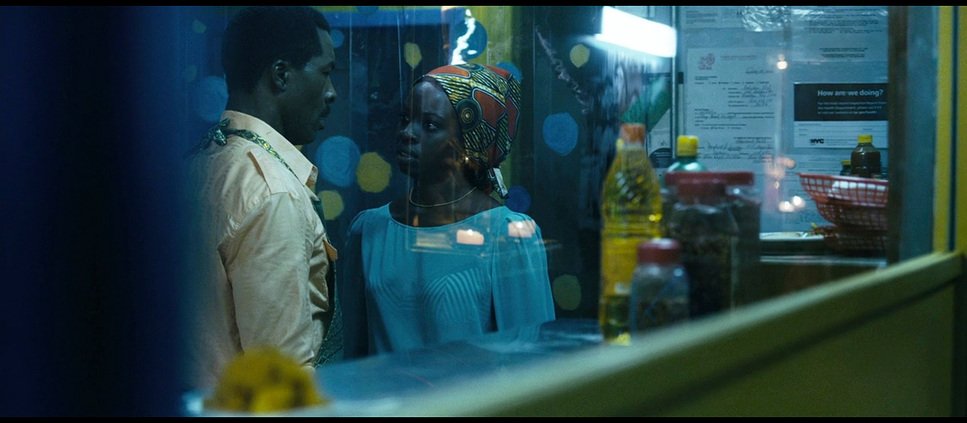
Shot sizes establish the rhythm, tone, and meaning of a scene. Great filmmakers know the different shot sizes and how to use them to help emphasize specific beats in a scene.
The Establishing shot.
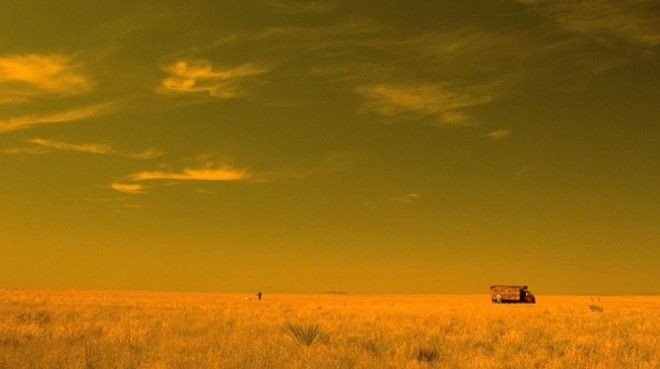
An establishing shot is typically wide to establish the geography, and time of day, show the subject in relation to their environment and is used often to transition between scenes.
This is a very crucial element of any scene. It can mark a transition to a new location, and introduce very important details about the location or world.
The Master Shot
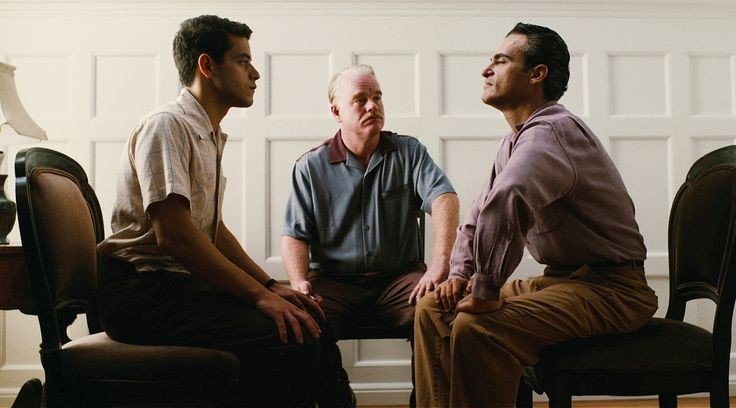
Also like the establishing shot, the master shot or MS for short confirms the geography and location of a scene.
Use it when you want to clarify which characters are in a scene and their relationship with each other. It captures the whole scene, providing the editor something to cut to if necessary.
The Wide shot
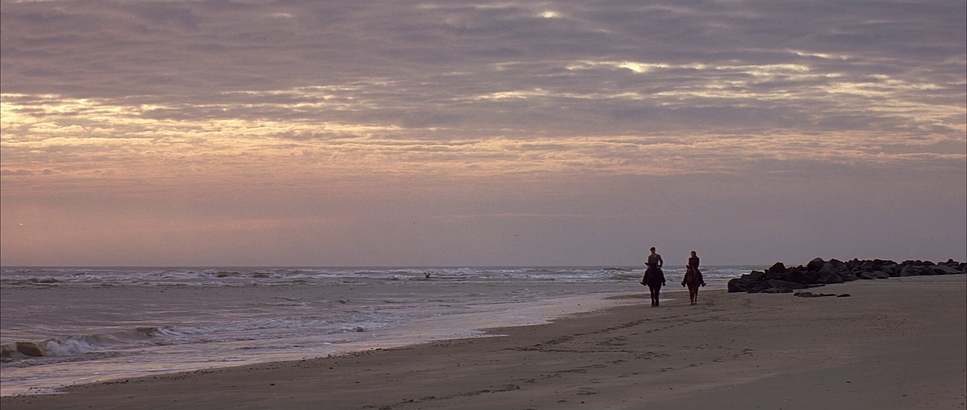
This shot position the subject far from the camera to visually represent their relationship with their environment. Unlike the establishing shot which is about location, the wide shots contend with the scale of a subject.
Use it when you want to make a subject lost or overwhelmed or comment on a subject in relationship with their environment.
Full Shot
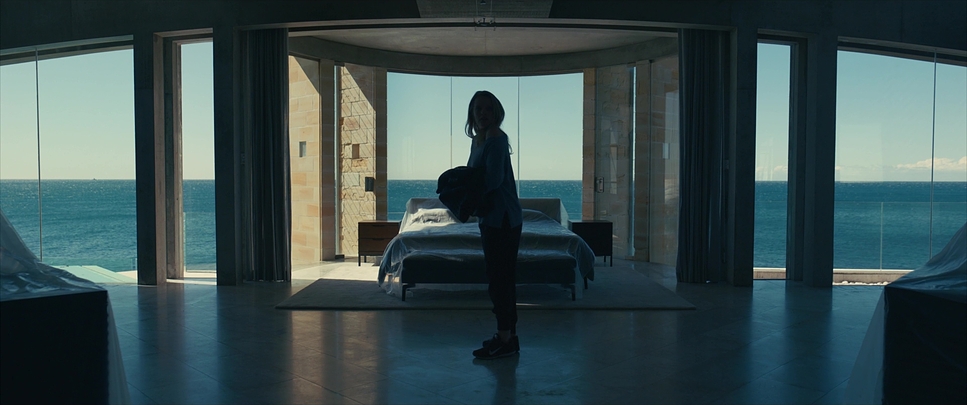
This is when a subject reaches from the top to the bottom edges of the frame. Although it is not necessary to put the subject at the center of the frame this is mostly the case.
Use it to make a statement on a subject’s physicality and present a character in all its glory.
Medium Full Shot.
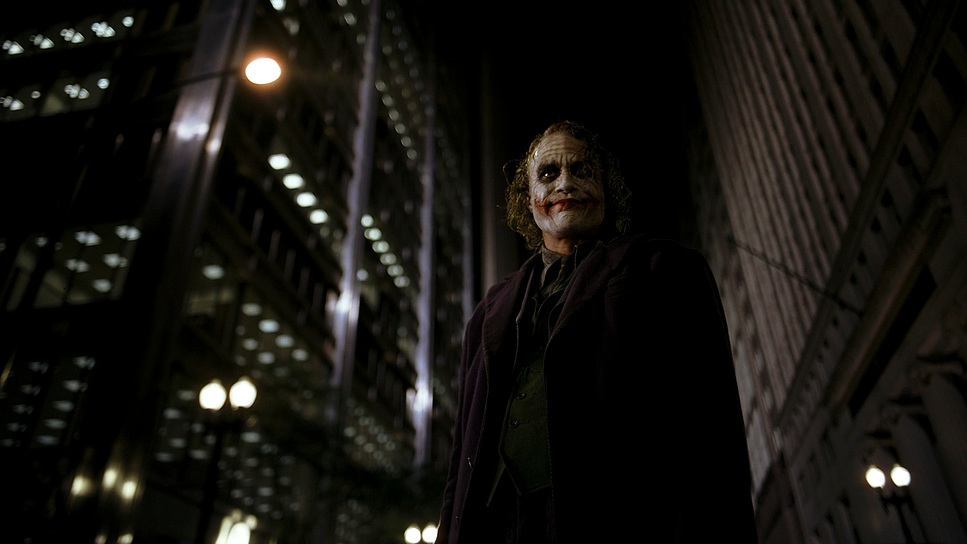
This is from the head to just below the waistline and is used when you want to present a subject as dangerous or confrontational.
Medium Shot (MS)
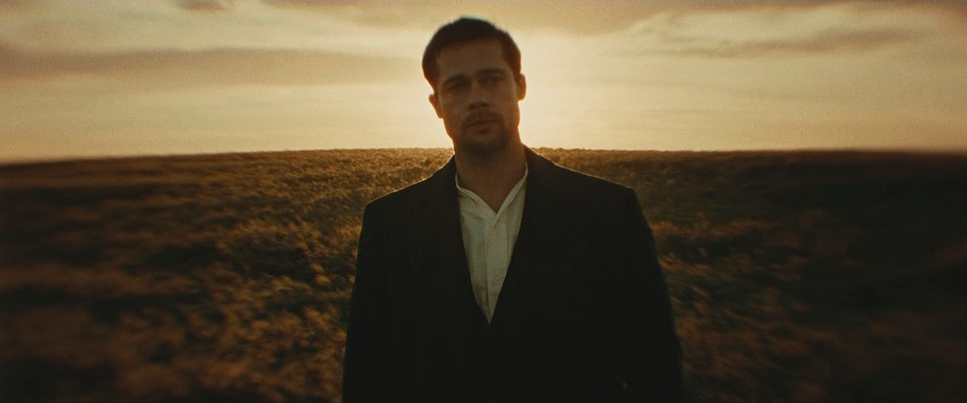
This is the most popular shot in filmmaking because it’s more neutral. It is not dramatic as a close-up or distant as a wide shot. It captures the subject of how similar we interact with people. It starts above the waist and ends just above the head. Use it when you want to dig into the eyes without losing their physicality or for a true middle ground approach that is neither jarring nor dramatic.
Medium Close Up (MCU)
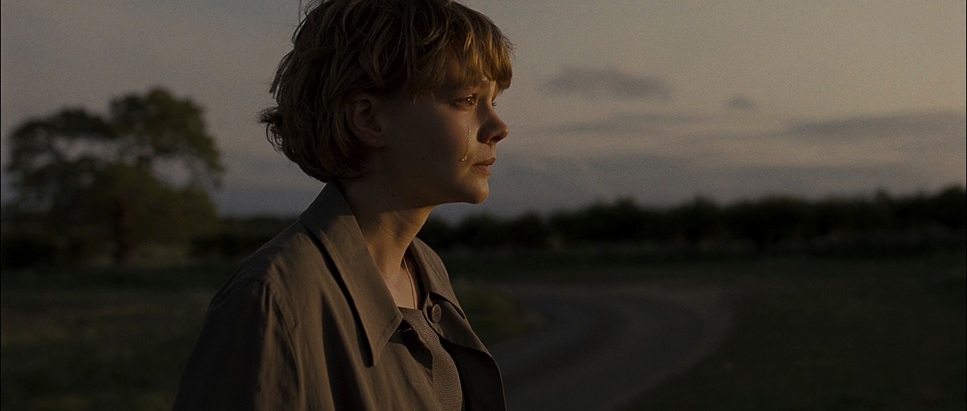
A medium close-up shot is when a shot frames the subject from the middle of the chest to just above their head. Its reduces distraction and prioritizes story and character detail. Use it when you want to get intimate with a subject without losing their physicality.
Close Up (CU)
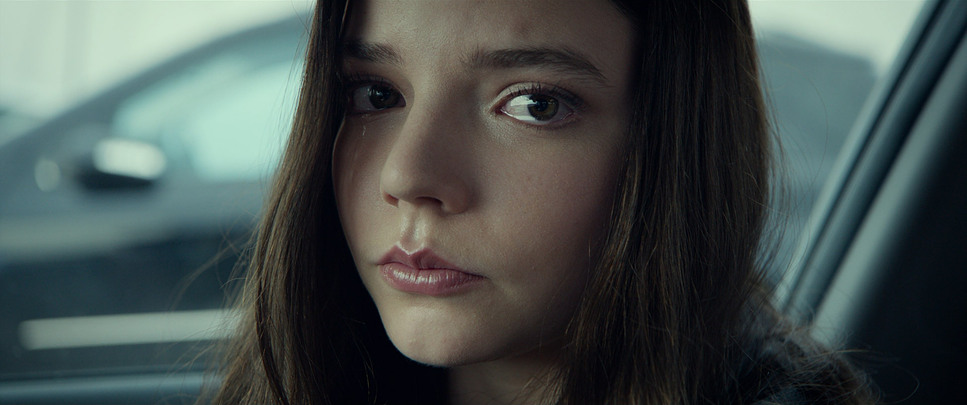
This is the most powerful visual weapon for highlighting a change in emotion or a dramatic beat in a scene. Often use at eye level, it digs into the window of the soul and reveals the character’s thoughts and feelings.
Extreme Close Up (ECU)
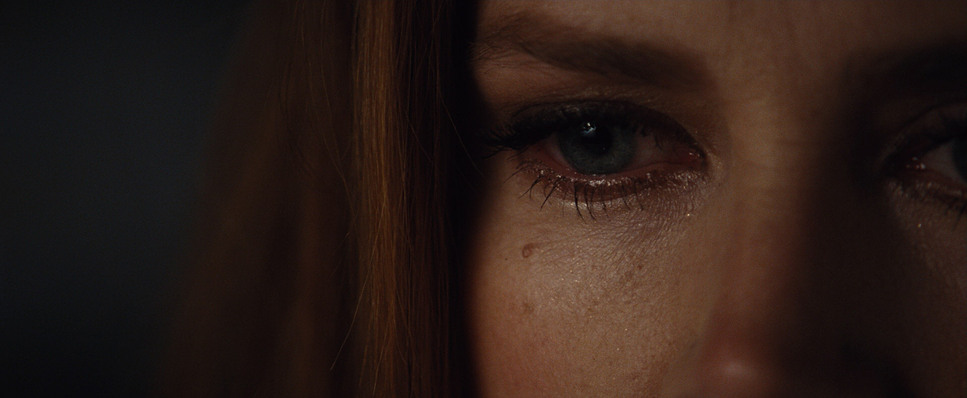
This frames a subject to isolate a particular area. Could be lips or nose but it’s mostly the eyes. It’s the most intimate, dramatic, and startling of all shot sizes.
Insert Shot
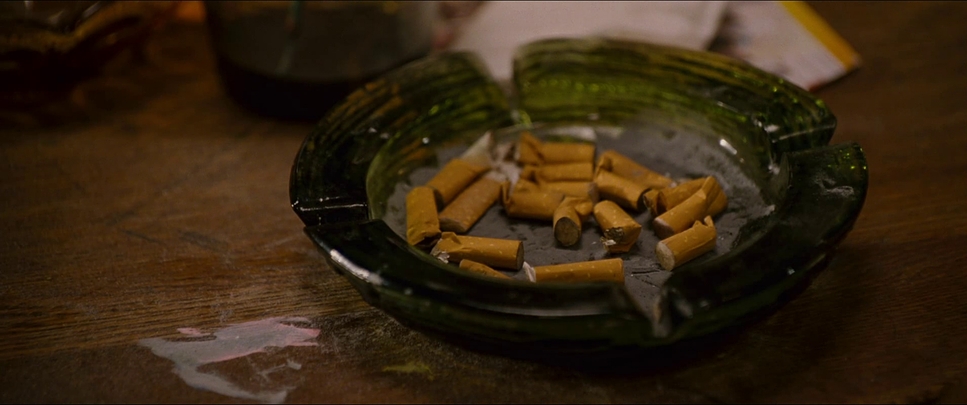
This is used to highlight and isolate something crucial to the narrative like a prop or an intimate detail when necessary. Typically use for emphasis.

 Rebel Films Academy